What Every New Believer Should Understand about Prayer
Prayer


Audio By Carbonatix
By Clarence L. Haynes Jr., Crosswalk.com
Prayer is one of the most important things you need to learn about as a new believer. It is critical to your relationship with God, and it really is the lifeblood of your walk with Jesus.
At its most basic level, prayer is an ongoing conversation between you and God. As you continue this conversation, there are so many benefits that come from it, and literally volumes have been written over the years on this topic. Since I can’t pile volumes into one article, let me establish some key fundamentals that will help you learn about prayer.
Prayer Is Asking
“Ask and it will be given to you; seek and you will find; knock and the door will be opened to you” (Matthew 7:7).
At its core, prayer is asking. When you pray, you are inviting or asking God to intervene in your situation. You are taking your earthly situation before God and asking him to respond with his heavenly resources.
When you invite God into your situation in this manner, you are bringing the power and authority of an all-powerful God to assist you in your time of need. When you view it from this perspective, it makes sense to pray about everything. Why rely just on your own strength when you have a God who is willing to step in with his?
The amazing thing is if you ask for his help, he will give it. That is the foundation of prayer.
Prayer Is the Most Powerful Weapon
“The weapons we fight with are not the weapons of the world. On the contrary, they have divine power to demolish strongholds” (2 Corinthians 10:4).
The power of prayer is that it is not limited by time or distance. Prayer is powerful because you can be where you are and say a prayer that affects what is happening literally around the globe. Because God is omni-present, which means present everywhere at the same time, when you pray where you are, he can move wherever is needed to affect that situation.
Imagine. You can influence what is happening around the world by praying right where you are. That is how powerful prayer is.
Prayer Is More about the Heart Than the Words
The Lord says: “These people come near to me with their mouth and honor me with their lips, but their hearts are far from me. Their worship of me is based on merely human rules they have been taught” (Isaiah 29:13).
In talking with people who often struggle to pray, one thing I constantly hear is “I don’t know what to say.” The belief is that there are some magic or formulated words that you can say that will cause God to help you in your situation. However, the truth is that there are not.
What people don’t realize is that when God responds to our prayers, he is responding to the cries of our heart, not the words from our mouth. Sometimes the situations we are praying about can be so dire that we don’t even have words to voice them, and all we can do is weep. Those tears that flow from a broken and desperate heart, God sees, understands, and responds to. That’s why prayers can be spoken, written, or even prayed in your mind, and they can have equal effect because it's not about the words but about the heart.
You Should Pray the Promises of God
One way to pray is to remind God of what he has said in his word. God has given us promises we can hold on to when we are experiencing challenges in this life. Let me give a few examples.
If you are afraid, you can remember Joshua 1:9:
“Have I not commanded you? Be strong and courageous. Do not be afraid; do not be discouraged, for the Lord your God will be with you wherever you go.”
If you are unsure, you can bring to God Proverbs 3:5-6:
“Trust in the Lord with all your heart and lean not on your own understanding; in all your ways submit to him, and he will make your paths straight.”
If you need provision, then pray Matthew 6:31-32:
“So do not worry, saying, ‘What shall we eat?’ or ‘What shall we drink?’ or ‘What shall we wear?’ For the pagans run after all these things, and your heavenly Father knows that you need them.”
For every situation in life, there is a promise from God you can cling to and pray. When you do, you are placing your faith in God’s word to do what he said he will do.
The Lord’s Prayer Is a Model, not a Recitation
One of the most popular prayers that often gets recited is the Lord’s Prayer, found in Matthew 6. Though we often recite this prayer word-for-word, that was not the original intention. This prayer serves as a model for how we should pray.
When you study this prayer, you will discover there are important elements within it that will help you grow and develop your prayer life. Within this prayer we find worship, surrender, repentance, and asking which are all aspects you can include when you pray. The goal of prayer is to pour your heart out to God, so don’t think too much about formulas. However, if you ever wanted to know things you can incorporate into prayer life, this is an outstanding model to follow.
The Length of Prayer Does not Determine Its Effectiveness
“And when you pray, do not keep on babbling like pagans, for they think they will be heard because of their many words. Do not be like them, for your Father knows what you need before you ask him” (Matthew 6:7-8).
There will be times when you pray longer than others. However, the length of the prayer is not what determines whether it was effective. Remember, it is always about the heart. Yet sometimes the circumstances may determine how long you pray.
For instance, if you are facing a monumental life situation, that might lead you to pray longer or more intensely. Many times, this intense prayer helps you find the strength you need from God to endure the situation you are going through. Just know that more words in prayer do not equate to more effectiveness in prayer.
Prayer Is Also about Changing You
“Search me, God, and know my heart; test me and know my anxious thoughts. See if there is any offensive way in me, and lead me in the way everlasting” (Psalm 139:23-24).
A huge part of prayer is not just what you ask God, but what God asks of you. As we stated before, prayer is a conversation, which means you speak to God and he speaks to you. Many times, in prayer, there will be moments where there are no words because you have entered God’s presence and you are allowing him to minister to your heart. Often it is in these moments of silence and stillness that we can hear what God is saying to our hearts.
While the length of prayer does not determine its effectiveness, when you wait before the Lord it provides an opportunity for God to speak, and sometimes this takes time. It is in these still moments that God can point out things in your heart and life that he wants to strengthen or correct. When this happens, it changes the dynamics of your prayer life. And it changes you as well.
You Must Be Intentional about Prayer
“Devote yourselves to prayer, being watchful and thankful” (Colossians 5:2).
There will be times when you have a great desire to pray and times when you won’t. That is just how it is. That’s why prayer is a discipline, and for it to work, you must take part even when you don’t feel like it.
Make time for prayer. There should be formal times within your day when you set aside time to pray, but you should continue that conversation with God throughout your day.
You Can Pray about Everything
“Cast all your anxiety on him because he cares for you” (1 Peter 5:7).
There is no such thing as something too small to pray about. Again, these prayers don’t have to be long; you can say quick prayers before a meeting, before an exam, when you travel, before you eat, before you study, whatever the situation is you can pray. One reason is because God cares about your life, and another is that by praying you are inviting God into every aspect of your life. That, my friends, is how you build your relationship with God.
The Holy Spirit Helps You to Pray
“In the same way, the Spirit helps us in our weakness. We do not know what we ought to pray for, but the Spirit himself intercedes for us through wordless groans” (Romans 8:26).
The last thing I have to share with you is that the Holy Spirit will help you pray. The Bible is clear: there may be moments when you don’t know what to pray or how to pray. In these moments, the Holy Spirit can guide you in how to pray. Since the Spirit of God lives in you, that means the ability to pray lives in you as well.
If I could leave you with one thought, it is this. Don’t worry about trying to pray perfect prayers. Instead, focus on praying consistently. As you learn more and as you pray more, it will become more natural.
Perhaps here is the best part. God enjoys those times you spend with him in prayer, and he longs to be with you. So make prayer a habit because you can sit with the God of the universe. This is part of the outstanding privilege that comes from being his child.
Related Articles:
What Every New Believer Should Understand about Church
What Every New Believer Should Understand about God
Photo credit: ©Getty Images/gorodenkoff
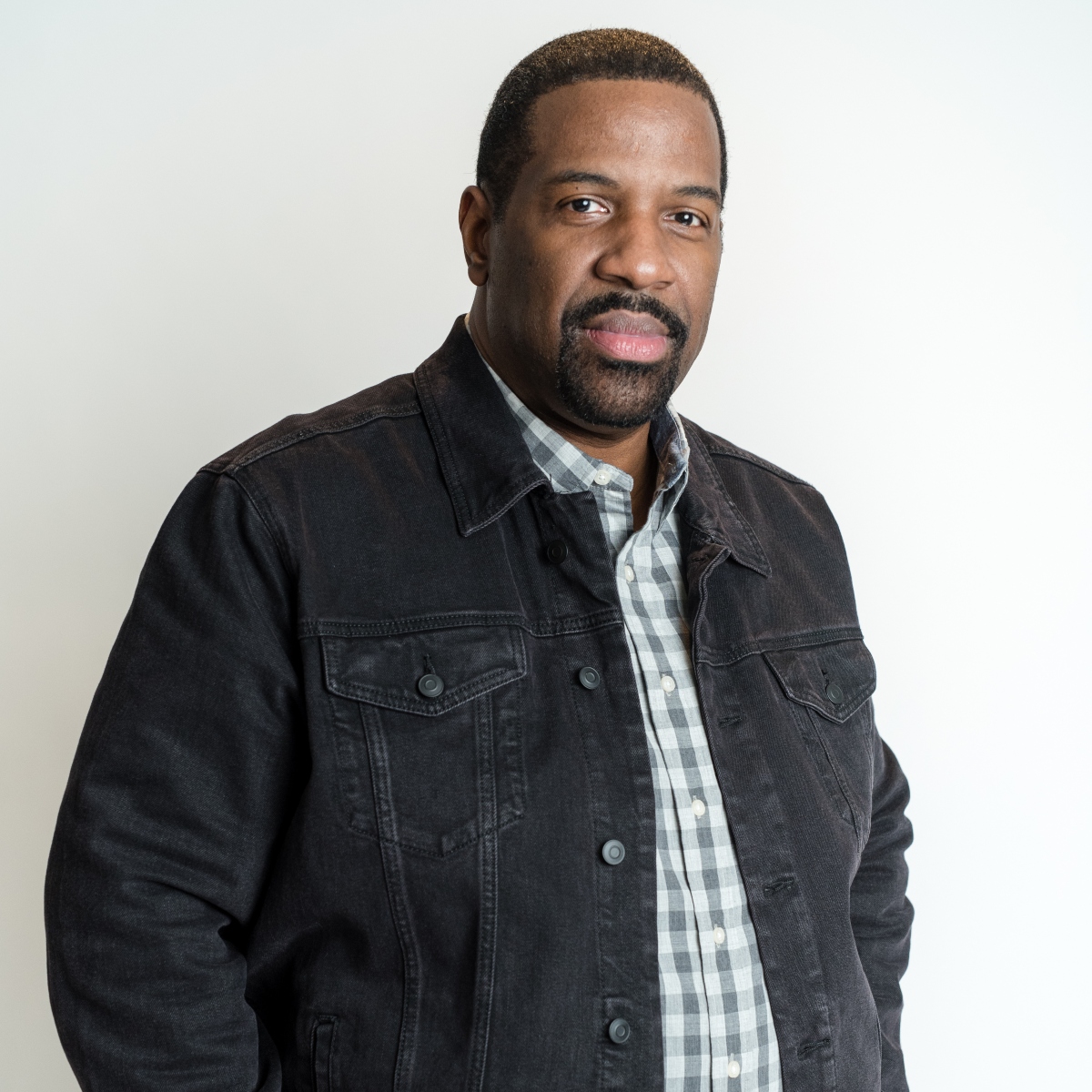 Clarence L. Haynes Jr. is a dynamic speaker, Bible teacher, and co-founder of The Bible Study Club, dedicated to helping people live with purpose and clarity. In addition to his ministry work, Clarence has spent the last 13 years as a trusted financial educator, guiding thousands of people across the country—including employees at many Fortune 500 companies—toward lasting financial wellness. His unique ability to blend practical wisdom with spiritual insight equips people to thrive in every area of life.
He is the author of The Pursuit of Purpose, which helps readers understand how God leads them into his will, and the author of The Pursuit of Victory: How To Conquer Your Greatest Challenges and Win In Your Christian Life. Clarence is also committed to helping 10,000 people learn how to study the Bible and has released his first course, Bible Study Basics, to achieve that goal. To learn more about his ministry and resources, please visit clarencehaynes.com.


